

Improving Operations, Reducing Emissions
Good things grow through continuous improvement.
Reducing greenhouse gas emissions is an important part of our sustainability approach. At Eckes-Granini, we focus on continuous improvement across our operations and value chain. This includes how we source and use energy, how we operate our production sites, how we engage with suppliers and logistics partners, and how we measure progress over time.
Rather than relying on a single solution, we combine operational improvements, targeted investments and science-based methodologies to support the long-term development of our operations and approach to emissions reduction.
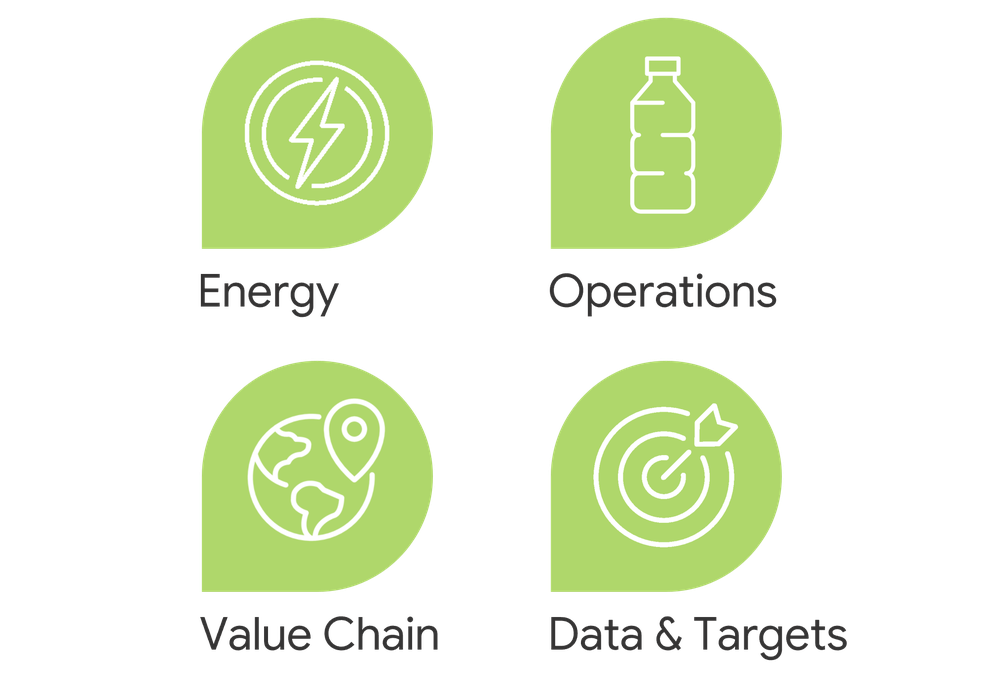
Our approach is built on four focus areas:
Energy
Energy sourcing and efficiency measures across our operations.
Operations
Improving production processes and investing in site-level solutions.
Value Chain
Working with suppliers, logistics partners and industry initiatives.
Data & Targets
Measuring emissions and tracking progress through recognised methodologies and science-based targets.
Low-Carbon Electricity
Electricity is one of the areas where we can directly influence emissions associated with our operations.
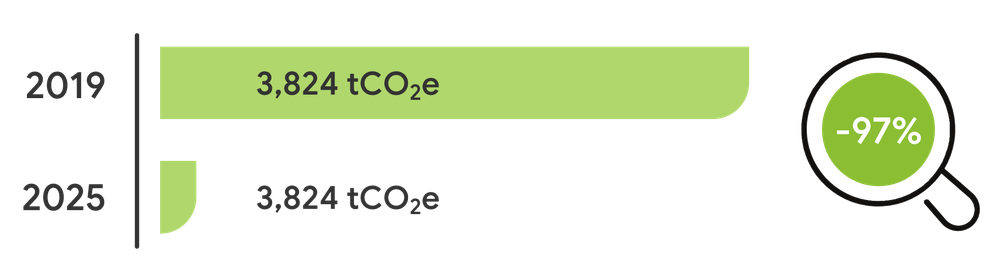
Since 2019, Eckes-Granini has followed a Group-wide approach to increase the share of low-carbon electricity across its production sites and offices. The specific energy mix varies by country and site and depends on local infrastructure, energy markets and available supply options.
The graphic illustrates the development of Scope 2 emissions associated with purchased energy across the Eckes-Granini Group. Between 2019 and 2025, reported Scope 2 emissions decreased by 97%, reflecting the long-term development of our energy sourcing approach. Further information on methodology, reporting scope and definitions can be found below.

Investing in Energy Infrastructure
Ringe Production Site - Denmark
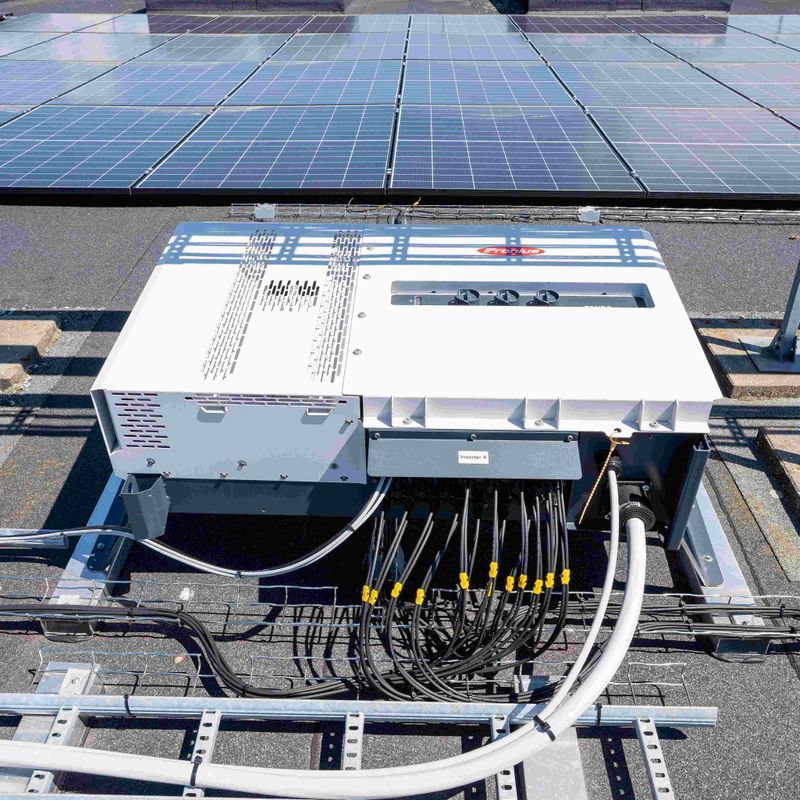
As part of our broader approach to emissions reduction, Eckes-Granini continues to invest in selected site-level energy projects. These investments complement our energy sourcing activities and provide additional opportunities to influence emissions associated with our operations.
One example is our production site in Ringe, Denmark, where a new solar energy installation was commissioned in 2026. The project expands on-site electricity generation capacity and represents Eckes-Granini's latest investment in production-related energy infrastructure.
Key Facts
Commissioning: September 2026
Installed capacity: 887 kWp
Solar panels installed: 4,178 m² / 2.016 modules
Expected annual electricity generation: 712 MWh
Estimated values based on project planning assumptions
Combining Renewable Energy and Energy Efficiency
Turku Production Site - Finland
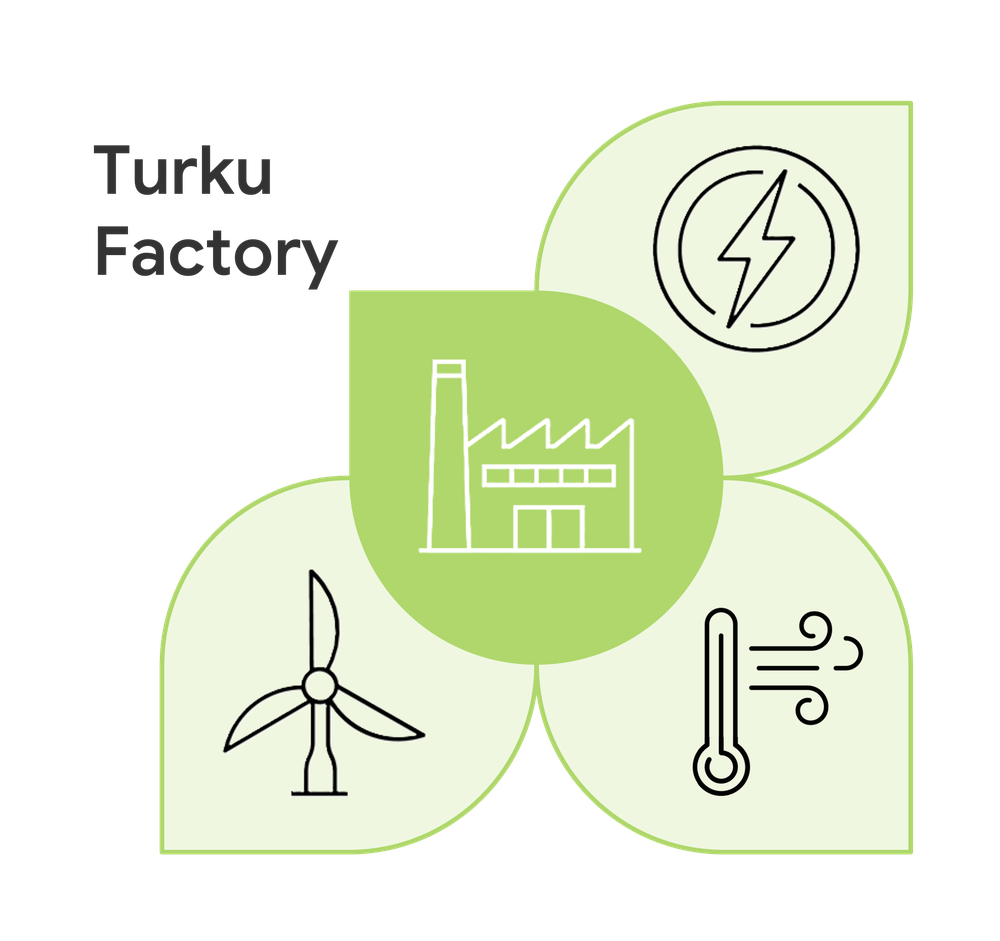
Our production site in Turku, Finland, illustrates how different measures can contribute to lower-emission production. Rather than relying on a single solution, the site combines renewable electricity sourcing, local energy infrastructure and continuous energy efficiency improvements.
Electricity is sourced from renewable Finnish wind power, while steam and district heating are supplied through local energy infrastructure using wood-based fuels. In parallel, the site continues to implement energy efficiency measures, including heat recovery and process optimisation initiatives.
Turku demonstrates how energy sourcing, infrastructure and operational improvements can work together as part of a broader approach to emissions reduction.
Science-Based Emissions Reduction
Good things are built on evidence
To support a structured and measurable approach to emissions reduction, Eckes-Granini has established science-based greenhouse gas reduction targets covering Scope 1, Scope 2 and Scope 3 emissions.
These targets are independently assessed by the Science Based Targets initiative (SBTi), an internationally recognised organisation that evaluates whether corporate emissions reduction targets are aligned with climate science.
By combining science-based targets with ongoing measurement and reporting, we seek to guide our long-term approach to emissions reduction across our operations and value chain.
Data, Reporting & Methodology
Additional information on emissions data, reporting methodologies and system boundaries.